




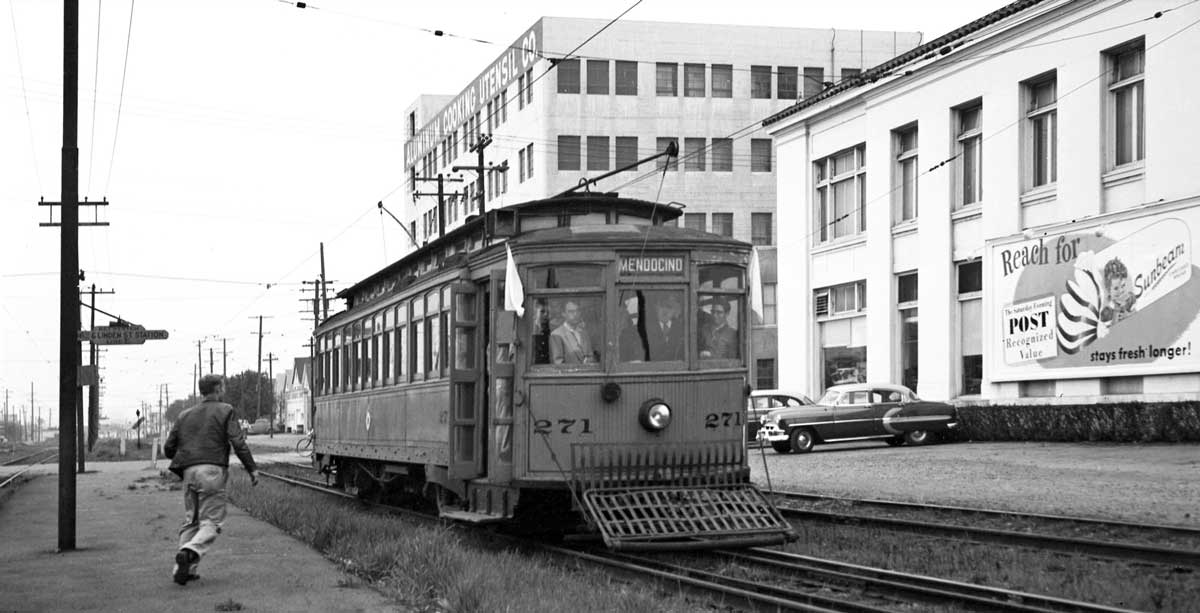
Aluminum Cooking Utensil Co. / Flecto Co. (Now Vue 46)
In 1924, the Aluminum Cooking Utensil Company, a subsidiary of the Aluminum Company of America, announced it had purchased this entire block of Adeline Street—bordered by 45th and 46th Streets—from the nearby Remar Baking Company.
Straddling the Emeryville–Oakland border, the site was especially attractive for its proximity to both commuter and freight rail lines. The company soon began construction of a two-story warehouse that would serve as the new West Coast headquarters for its rapidly growing Wear-Ever line of aluminum cookware, then based in Portland.
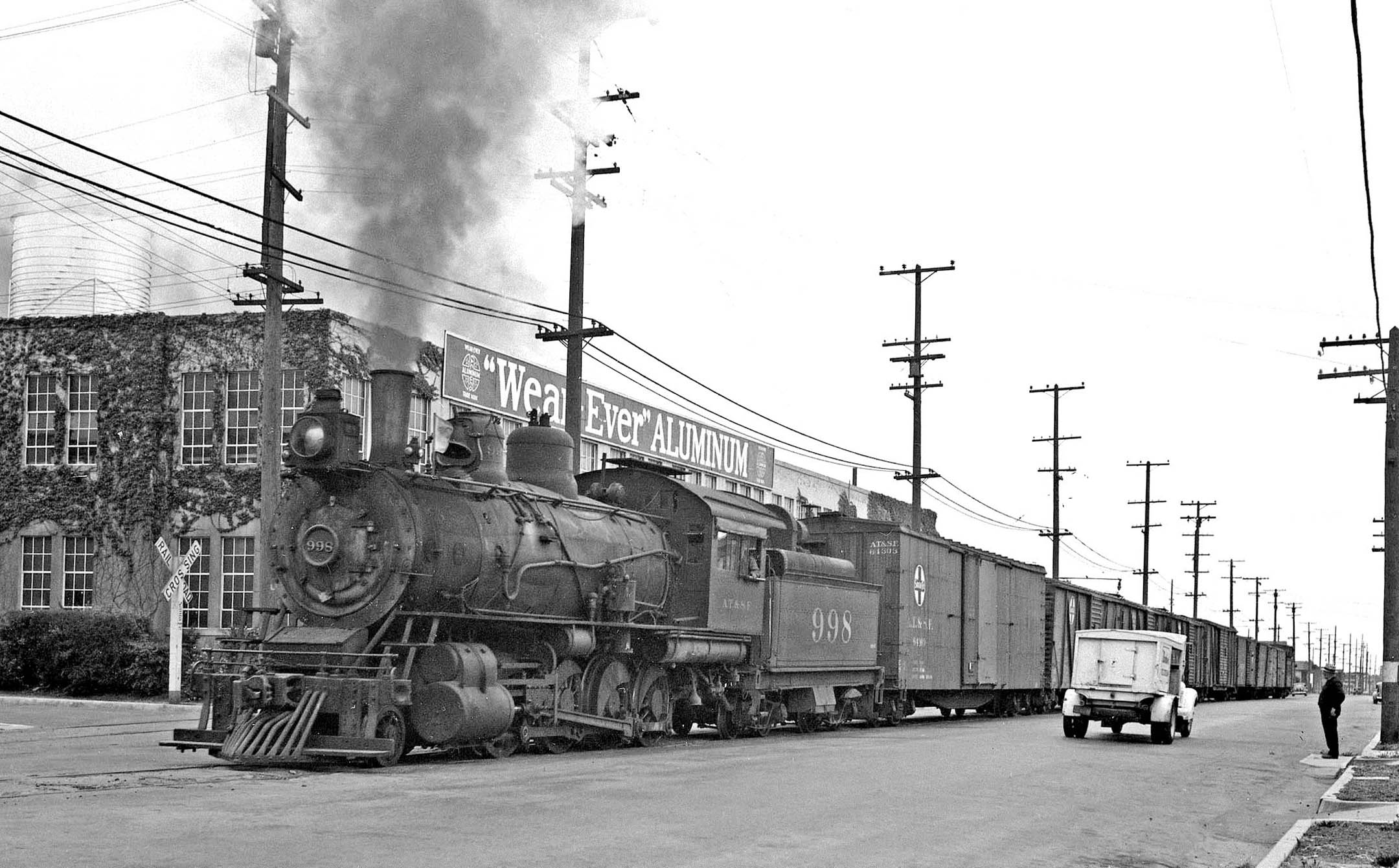
Originally founded as the Pittsburgh Reduction Company, the Aluminum Company of America—later renamed ALCOA—was a pioneer in aluminum production and helped revolutionize the aerospace, automotive, and consumer goods industries. It entered the home cookware market in 1895 with a lightweight, rust-free tea kettle, and introduced the Wear-Ever line in 1903. At the time, Wear-Ever products were celebrated for their light weight, resistance to corrosion, and even heat distribution.
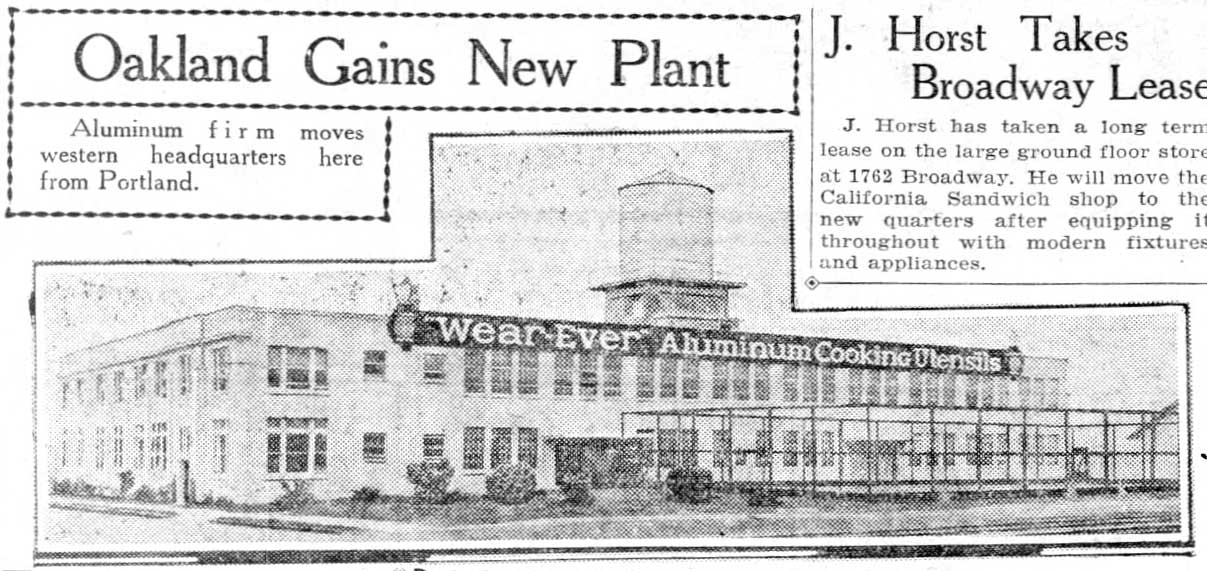
Construction of the factory was completed in 1925 and included a spur track along the Adeline Street side of the property to accommodate incoming raw materials and outgoing shipments. As demand surged and Wear-Ever cookware became a fixture in American kitchens, the facility expanded into a five-story, 45,000-square-foot plant.
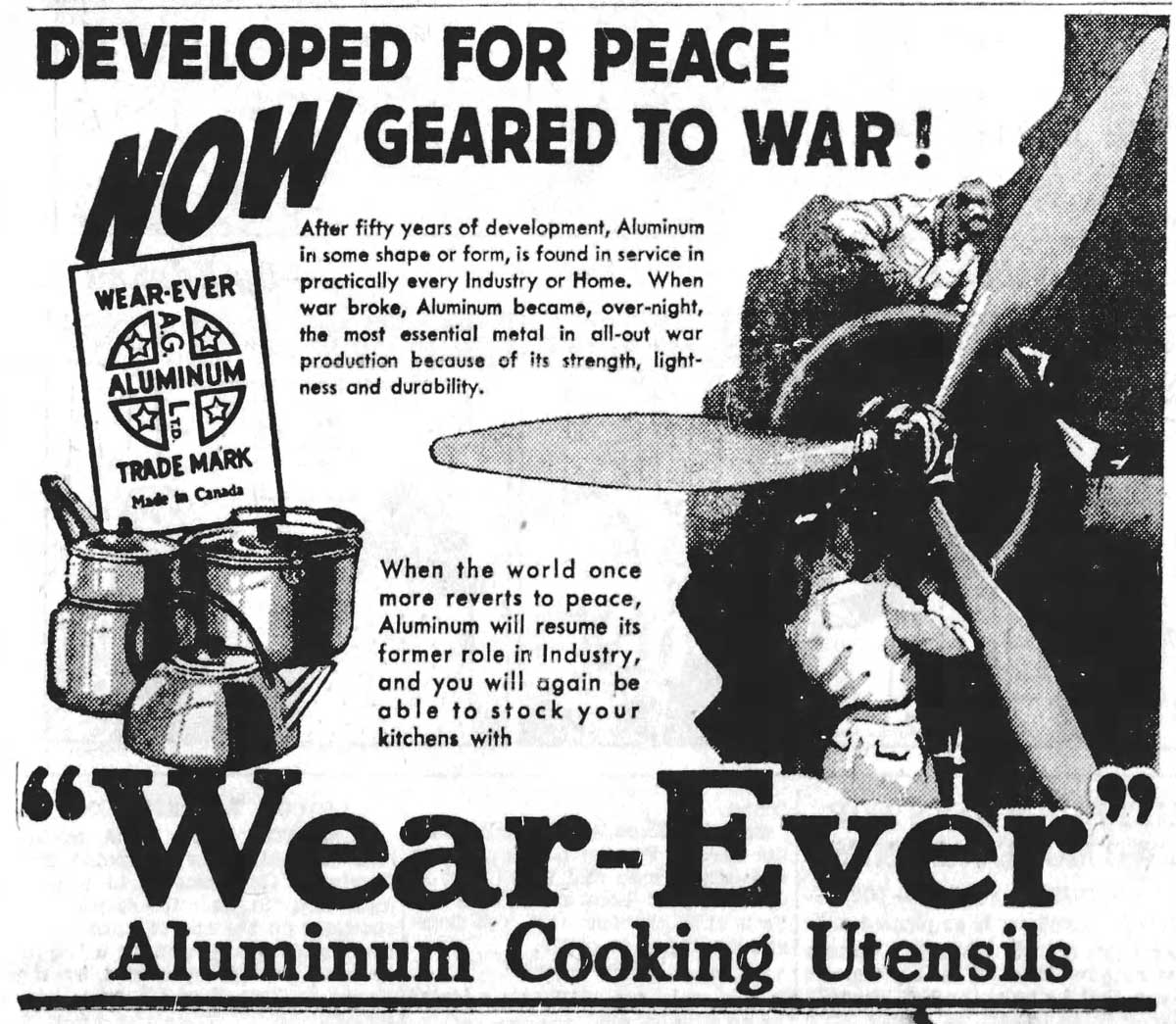
During World War II, when aluminum was prioritized for military use, the factory halted household cookware production and redirected its aluminum capacity to wartime manufacturing.
In 1958, the Aluminum Cooking Utensil Company was renamed Wear-Ever Aluminum, Inc. The company continued to innovate, introducing non-stick surfaces in the 1960s. That same decade, however, global competition and growing concerns over energy use and environmental impact began to pressure domestic aluminum producers, eventually leading to Wear-Ever’s departure from the site.
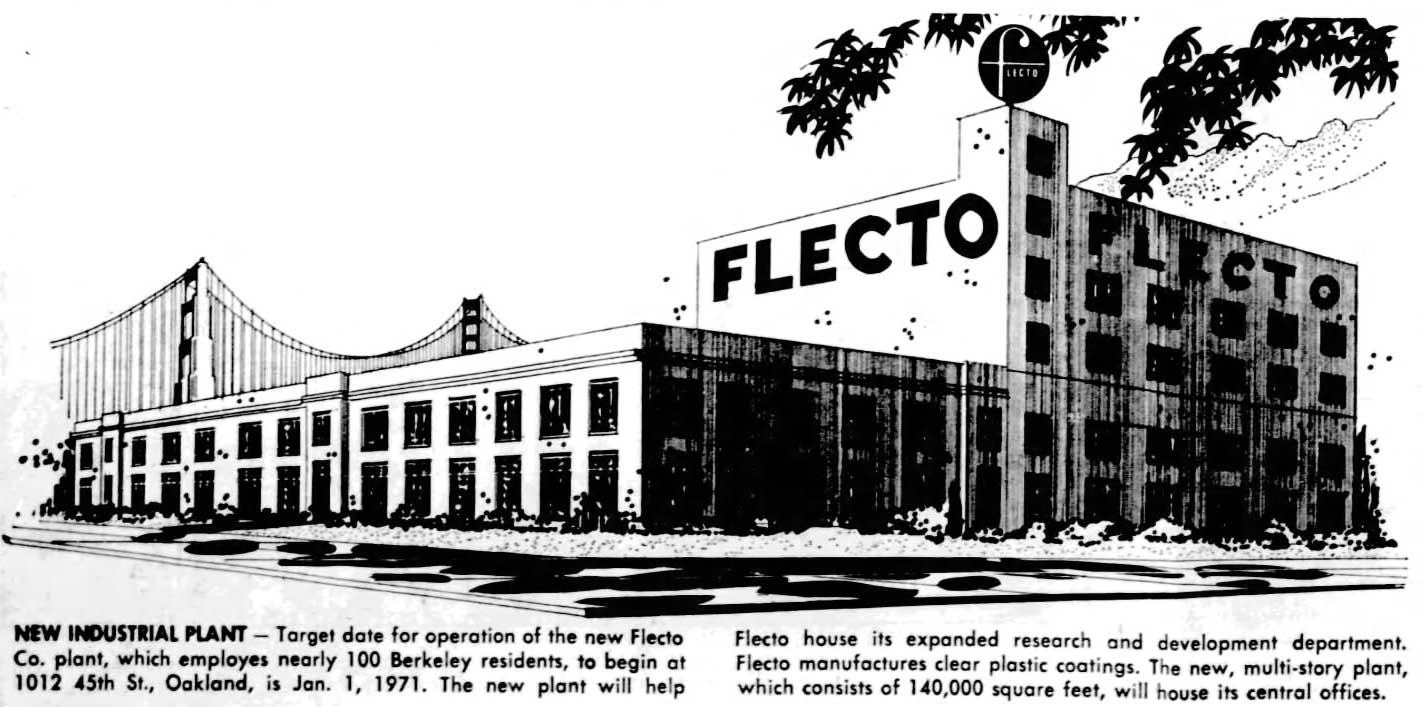
In 1970, the Berkeley-based Flecto Company purchased the building to consolidate its scattered operations, including manufacturing, under one roof. Flecto produced paints, floor coatings, wood stains, and its signature Varathane line of varnishes. To demonstrate Varathane’s durability at trade shows, the company built a children’s carousel, which was later restored and donated to Children’s Fairyland.
Flecto was acquired in 1998 by Ohio-based RPM International, the parent company of Rust-Oleum. Operations were consolidated elsewhere, and this factory closed shortly thereafter.
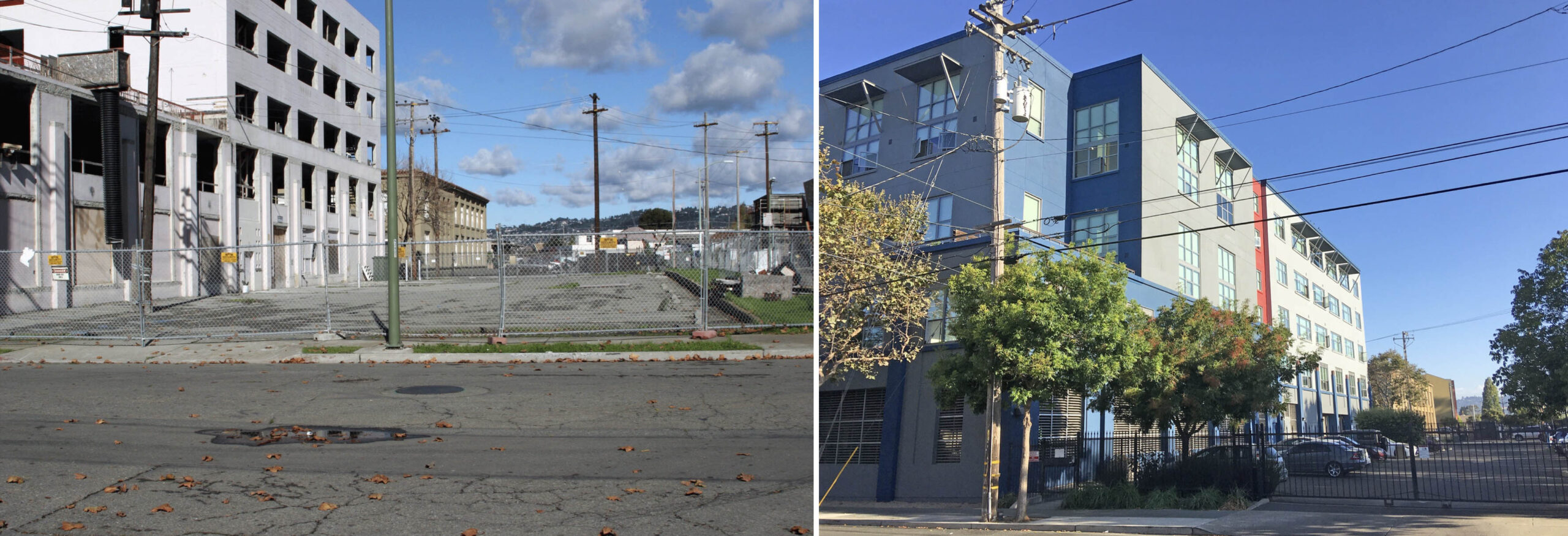
Plans to convert the former industrial site into housing began in 2000. After years of environmental remediation and planning, construction began in 2007. The project—originally known as 46th Street Lofts and later renamed Vue46—was completed in 2008. The 79-unit condominium development received Builder Magazine’s “Best Adaptive Reuse Project” award.
