



South Berkeley Creamery (Berkeley Farms)
Today, the former Berkeley Farms headquarters at 4550 San Pablo Avenue is home to Escuela Bilingüe Internacional, a Spanish immersion school—an unassuming building that once anchored one of California’s most iconic dairy brands.
Although the name “Berkeley Farms” points to Berkeley, the company’s modern identity and large-scale operations were shaped in Emeryville.
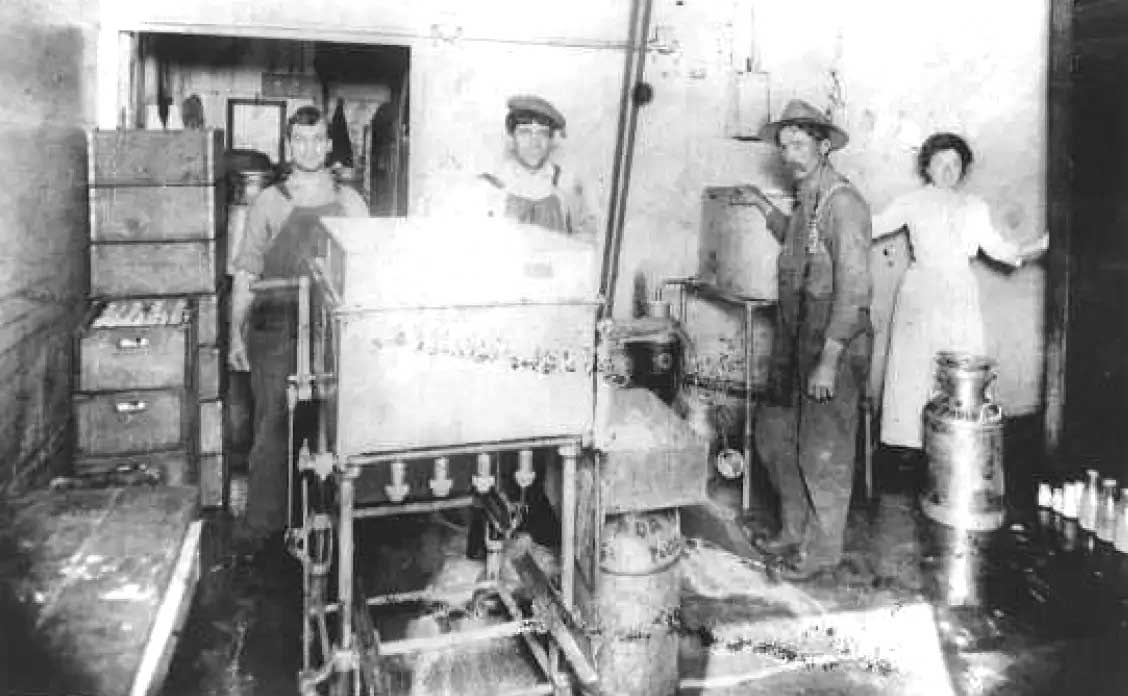
The business began in 1910 as the South Berkeley Creamery, founded by French immigrant John Sabatte. It started as a modest family operation, delivering milk by horse and buggy from local dairies to homes in Berkeley, Oakland, and Emeryville. In an era before supermarkets dominated food shopping, milk delivery routes and neighborhood dairies formed a critical part of daily life. By 1940, the company employed about 40 workers and ran 28 delivery routes across the East Bay.
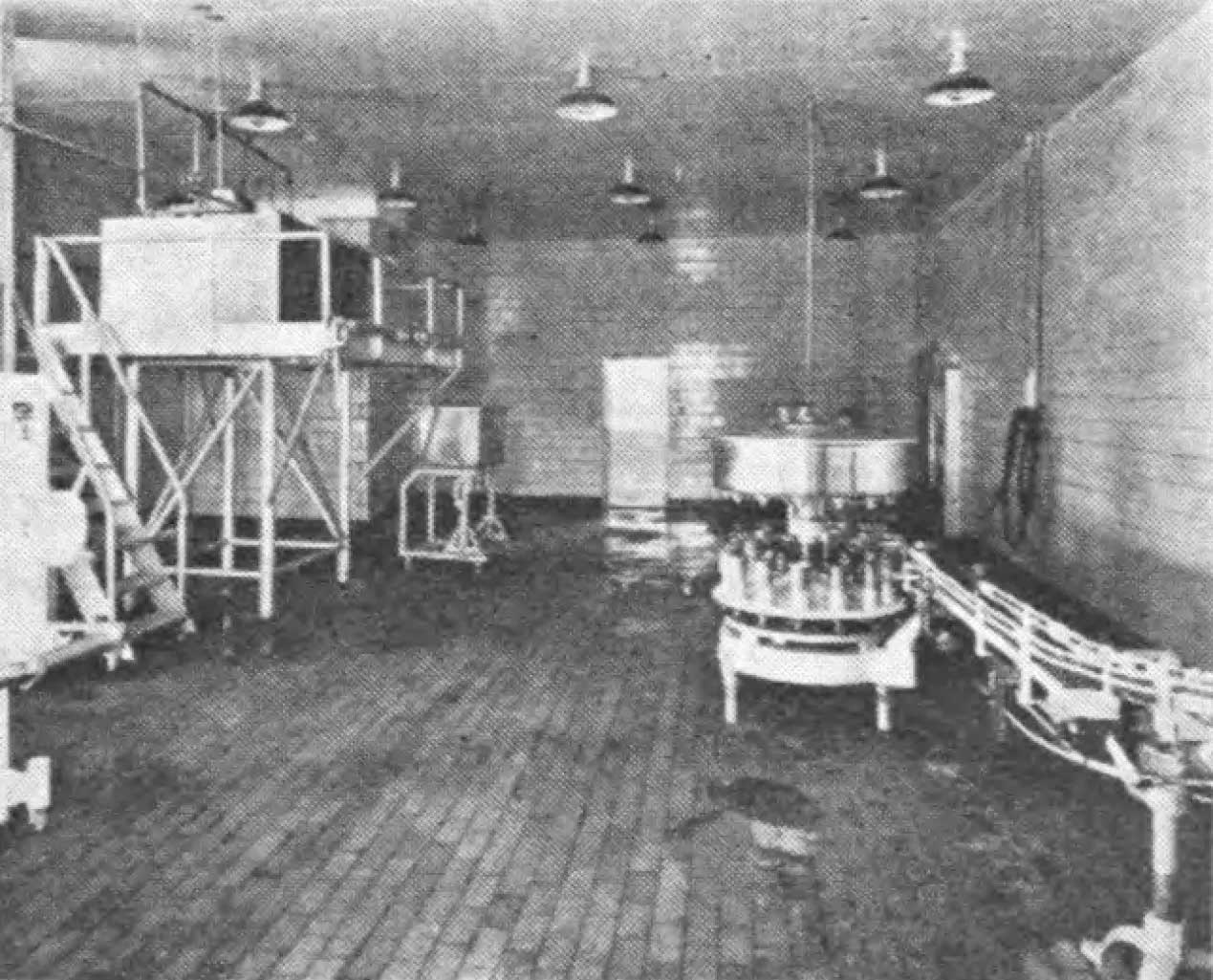
World War II marked a turning point. As the nation industrialized to support the war effort, food production shifted away from small urban farms toward large, centralized facilities. Milk increasingly traveled longer distances from Sonoma County and the Central Valley, raising concerns about contamination and public health. In response, new regulations—including the 1947 Milk and Milk Products Act—mandated stricter sanitation and pasteurization standards, effectively ending the small-scale “farm-to-doorstep” model.
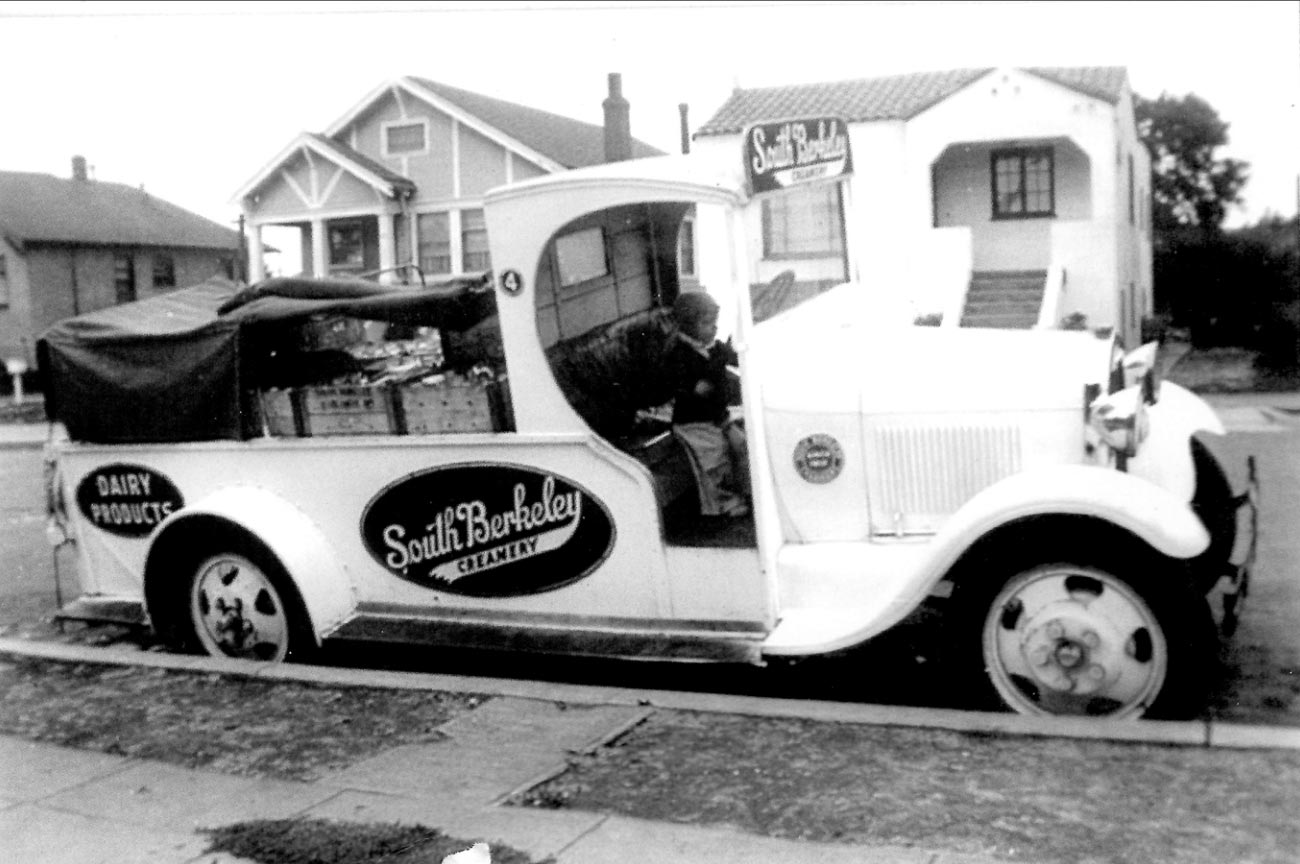
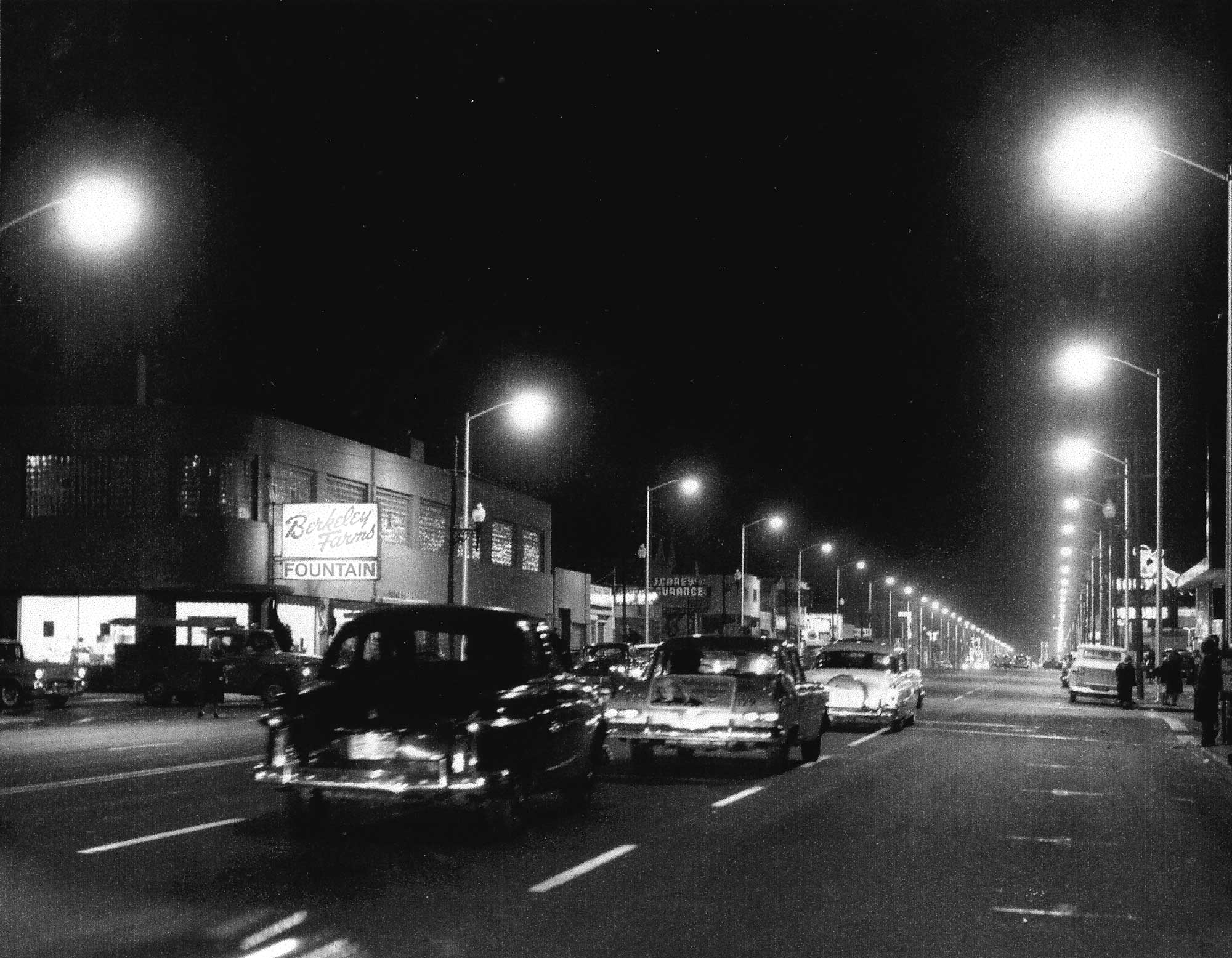
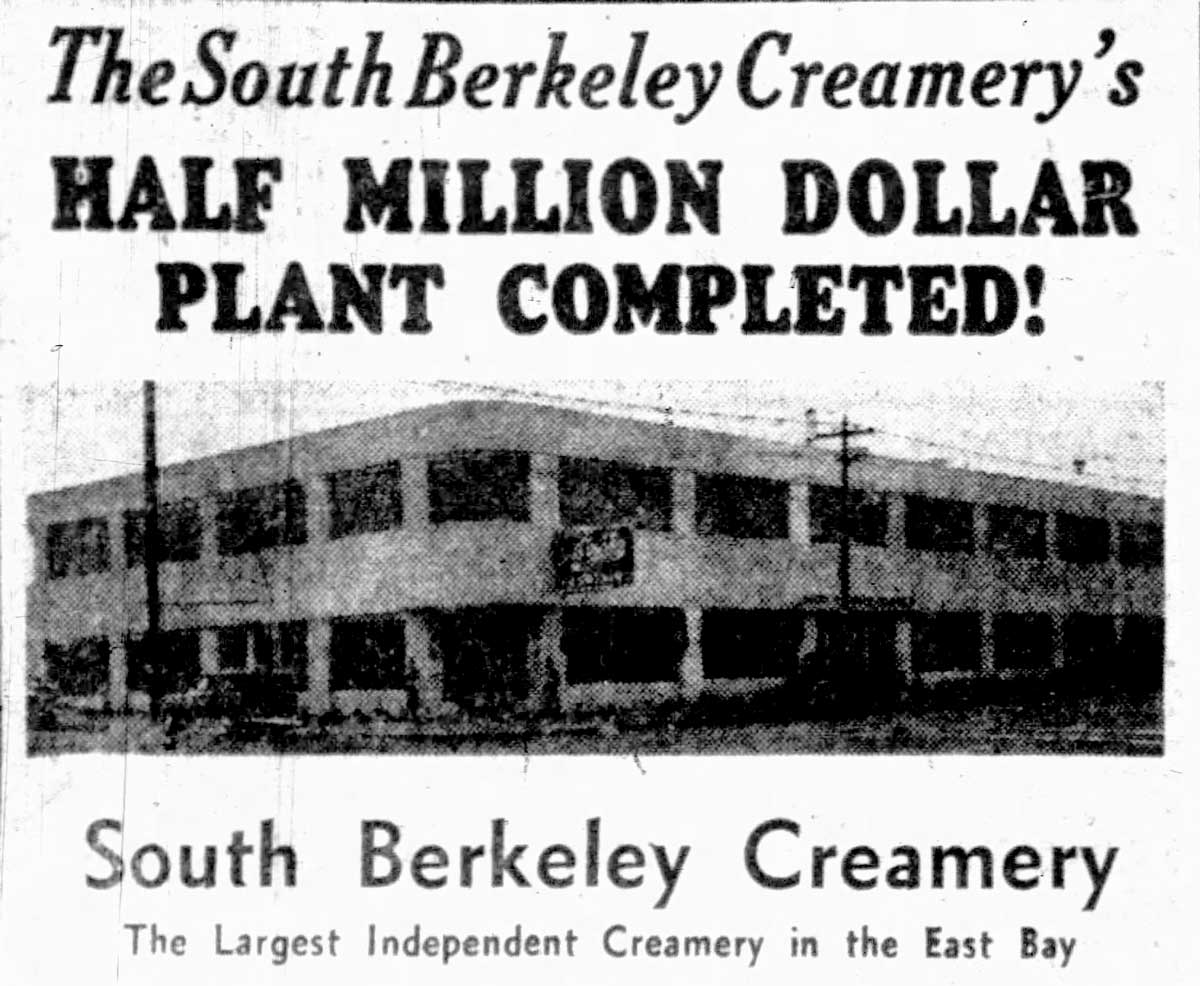
To meet these new demands, South Berkeley Creamery constructed a state-of-the-art milk processing plant in Emeryville in 1947, at the corner of 47th Street and San Pablo Avenue. Emeryville’s lower tax rates and industrial character made it an attractive home for expansion. Designed by Berkeley engineer George Jennings, the facility processed more than 10,000 gallons of milk per day, incorporating pasteurization equipment and new production lines for products such as ice cream. The plant even featured a popular soda fountain, where locals gathered for treats like the “Berkeley Farms Derby”—a decadent ice cream dessert topped with fudge, nuts, and a cherry.
In 1956, the company officially adopted the name “Berkeley Farms,” under the leadership of John Sabatte’s five sons. From its Emeryville base, the brand expanded throughout the Bay Area with distribution centers in Hayward, Walnut Creek, and San Mateo. Berkeley Farms milk became a household staple across Northern California, symbolizing both regional pride and postwar consumer growth.
A major boost to the brand’s public image came in the 1970s through a memorable advertising campaign built around the slogan, “Farms in Berkeley? …mooo.” Voiced by legendary entertainer Mel Blanc—the voice of Bugs Bunny and other Looney Tunes characters—the jingle became one of the most recognizable and long-running ad campaigns in Bay Area history, further cementing Berkeley Farms in popular culture.
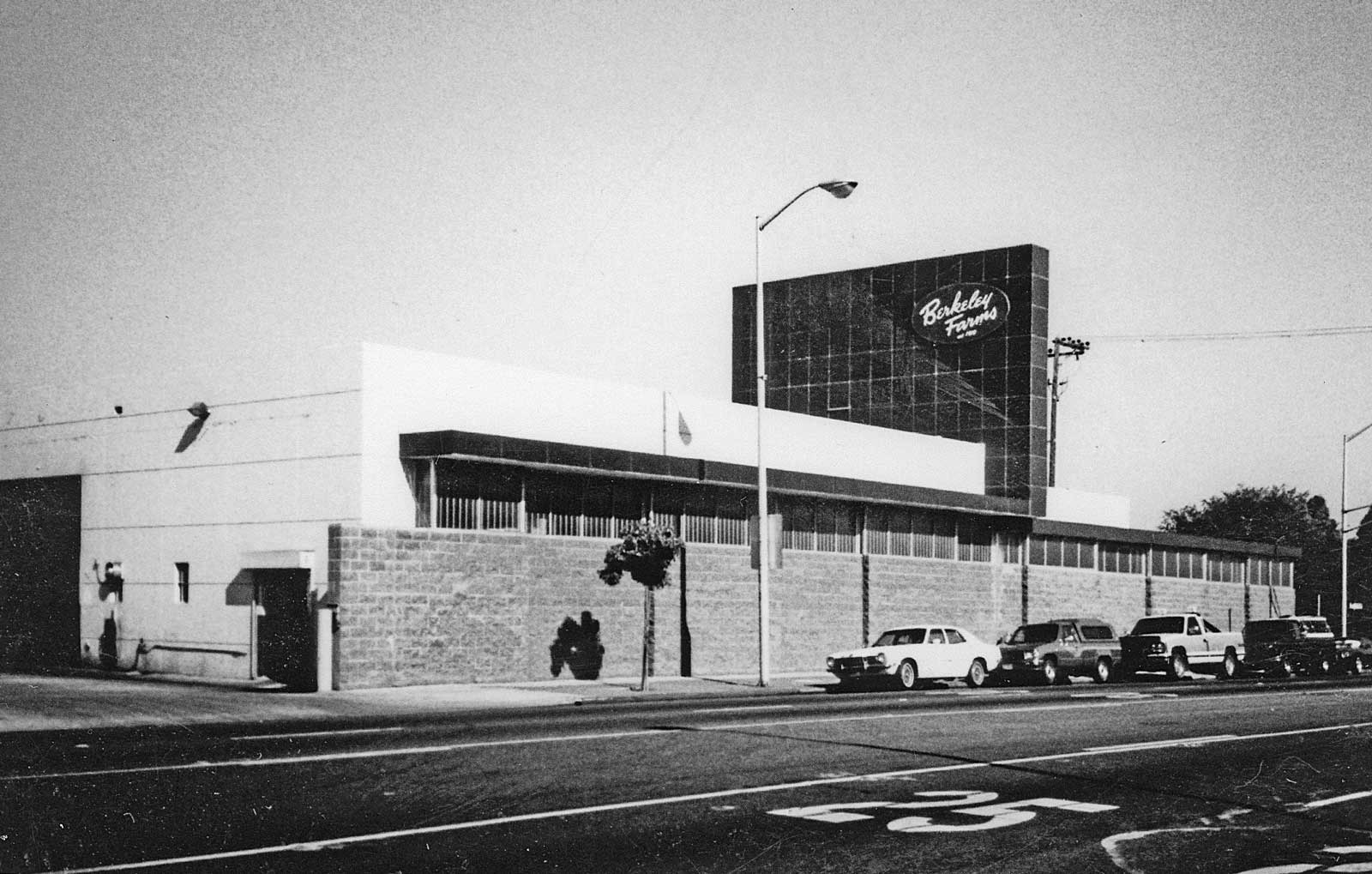
By the late 20th century, Berkeley Farms had grown into a multimillion-dollar company with hundreds of employees. However, corporate consolidation reshaped the business. In 1998, it was acquired by Texas-based Dean Foods, ending its era as a family-run operation. Production eventually moved to a newer facility in Hayward, and by 1999 the company had fully departed Emeryville.
The Hayward facility abruptly closed in 2020, and Berkeley Farms products soon vanished from store shelves. The brand was later acquired at auction by Producers Dairy Foods Inc., operated by the Shehadey family, who are now working to revive the once-iconic name.
Today, the former Berkeley Farms building stands as a quiet landmark of Emeryville’s layered past. What appears to be just another commercial structure once played a central role in transforming how milk was produced, marketed, and consumed across California—linking Emeryville to a century of agricultural innovation, industrial change, and regional culture.
|
This story excerpted from this 2020 The E’ville Eye story written by Joey Enos.
