



West MacArthur Underpass
Today, the West MacArthur Underpass at San Pablo Avenue has been largely eclipsed by the construction of the MacArthur Freeway (Interstate 580). For several decades, however, it was one of the most important vehicular links between the East Bay and the newly completed San Francisco–Oakland Bay Bridge, carrying traffic from inland communities directly toward San Francisco.
Construction of the Bay Bridge began in 1933, creating an immediate need for an efficient east–west connection on the Oakland side. In 1934, the State Department of Public Works proposed building an elevated overpass above San Pablo Avenue to handle bridge-bound traffic. The overpass was favored primarily for economic reasons—it was estimated to cost roughly one-third as much as an underpass, or “subway.”
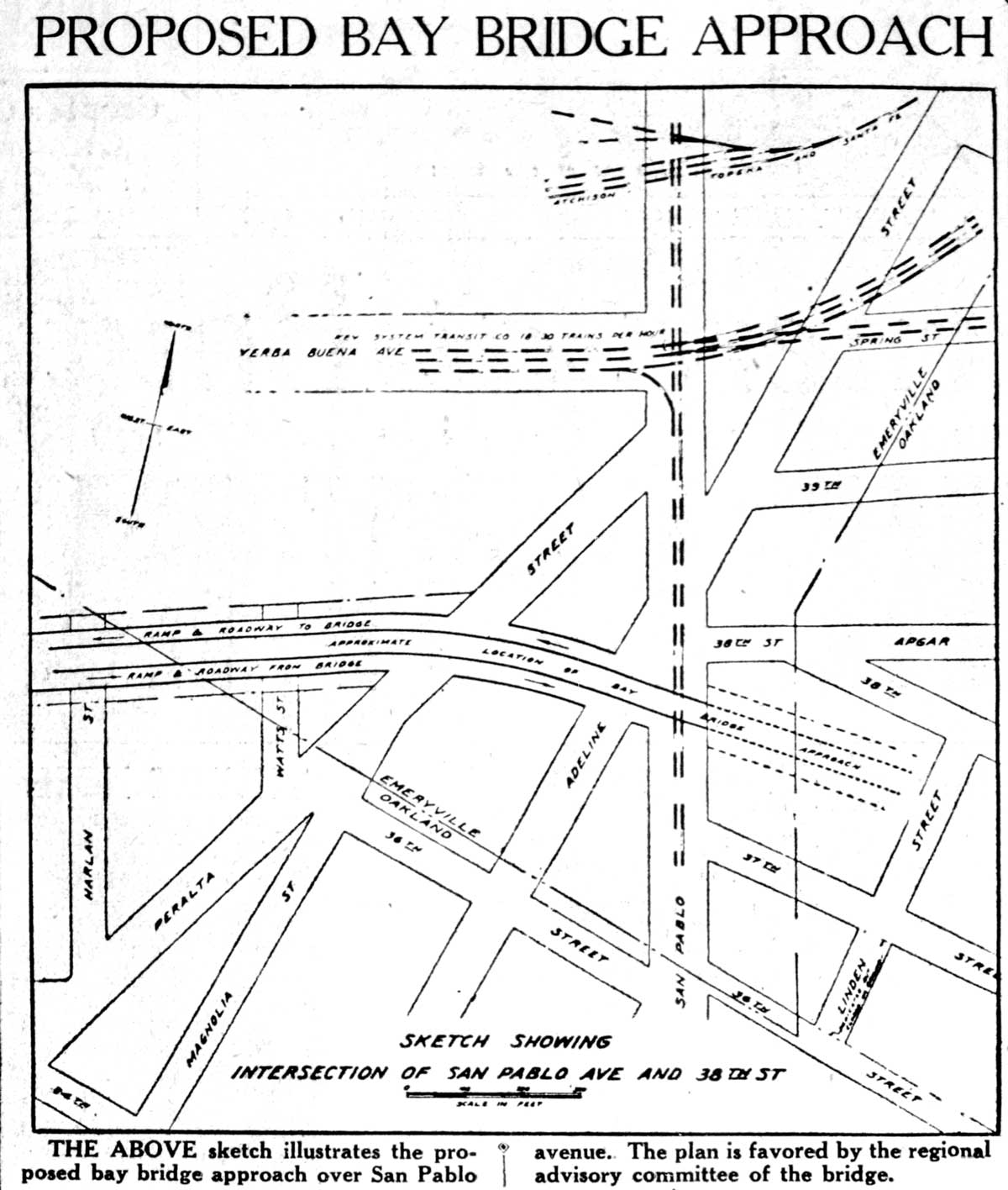
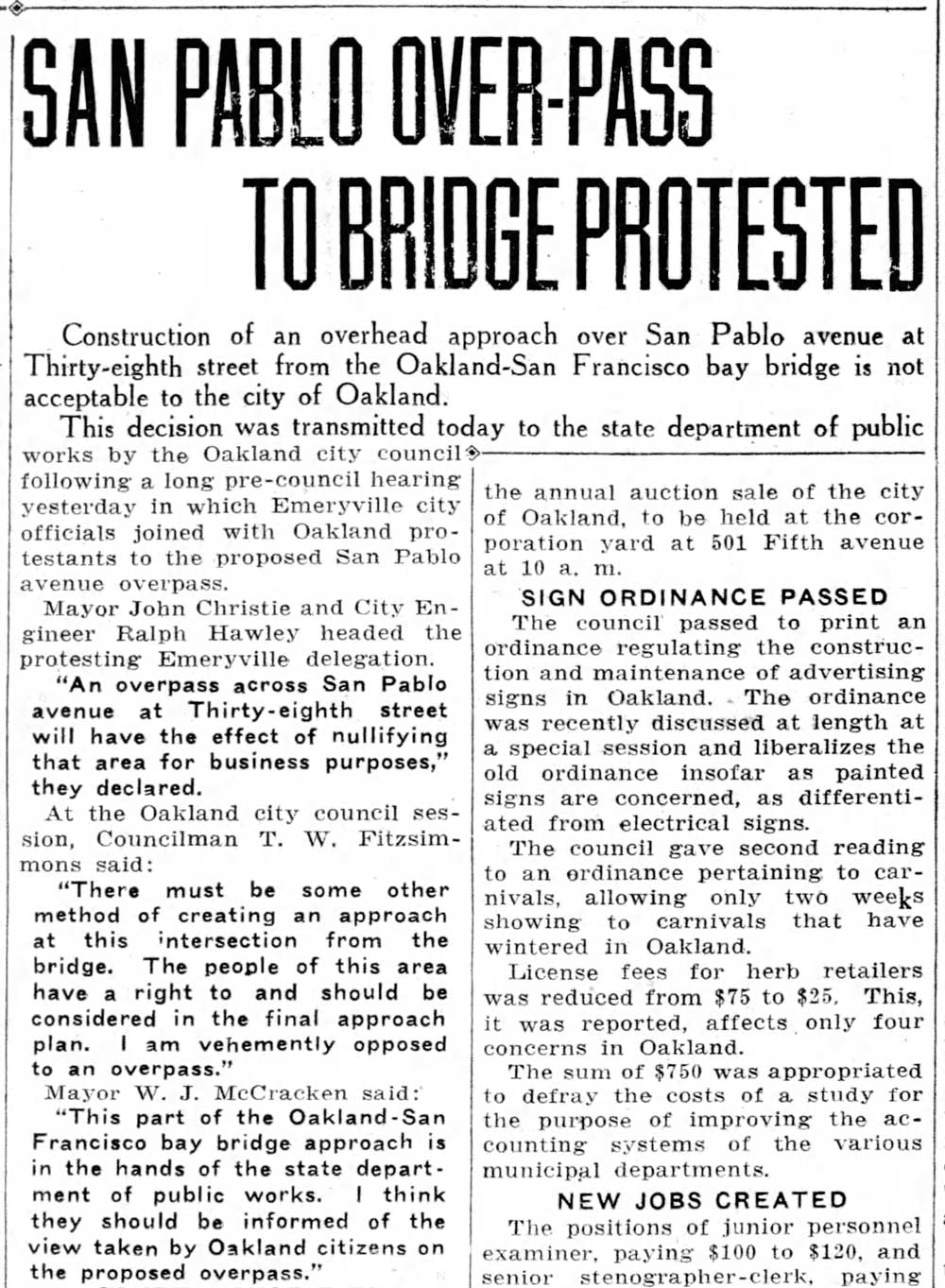
Local residents and business owners strongly opposed the overpass, arguing that it would damage the surrounding neighborhood. Organized opposition from Oakland, Emeryville, and nearby communities ultimately prevailed, and the state agreed to construct the more expensive underpass beneath San Pablo Avenue.
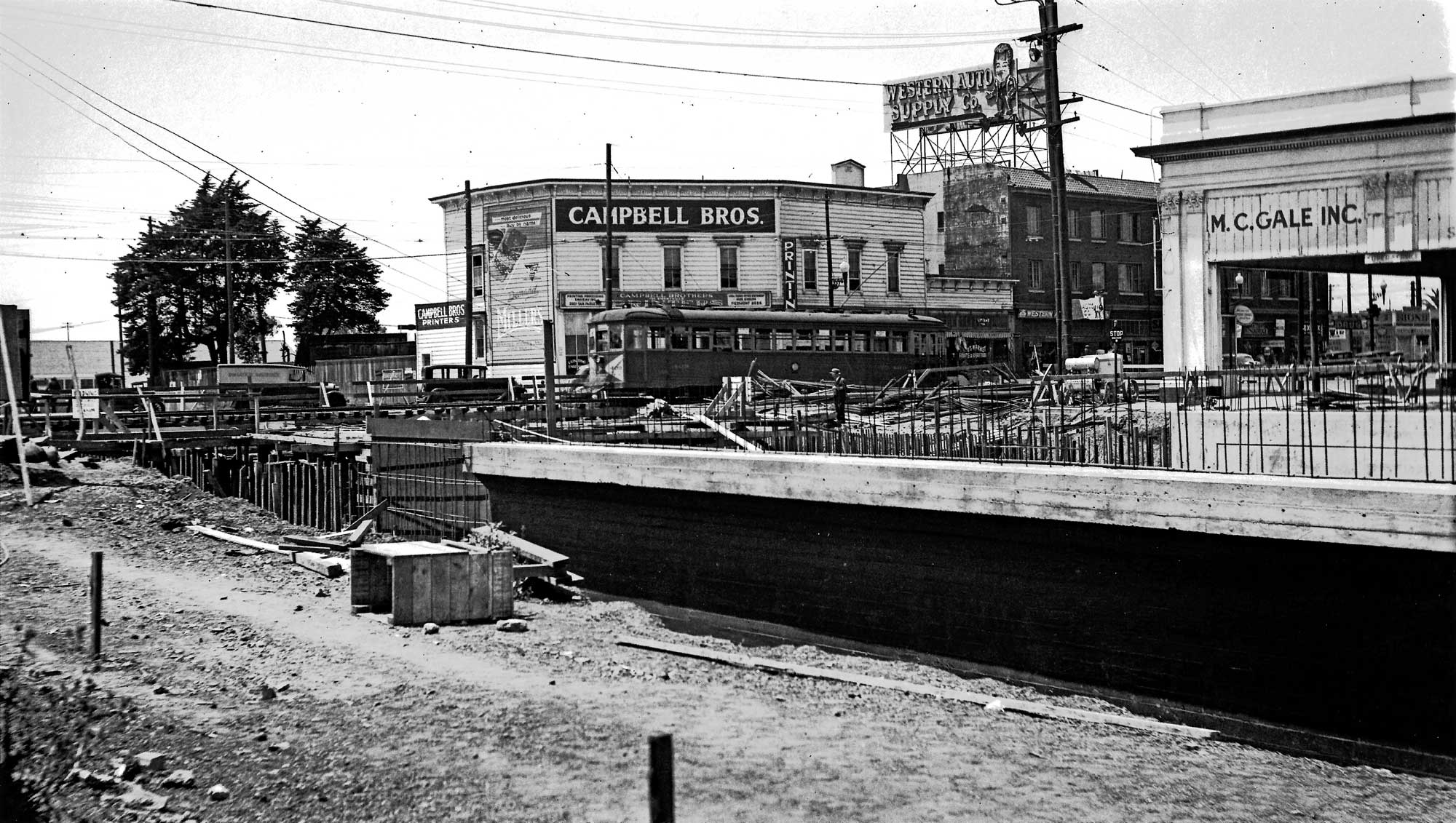
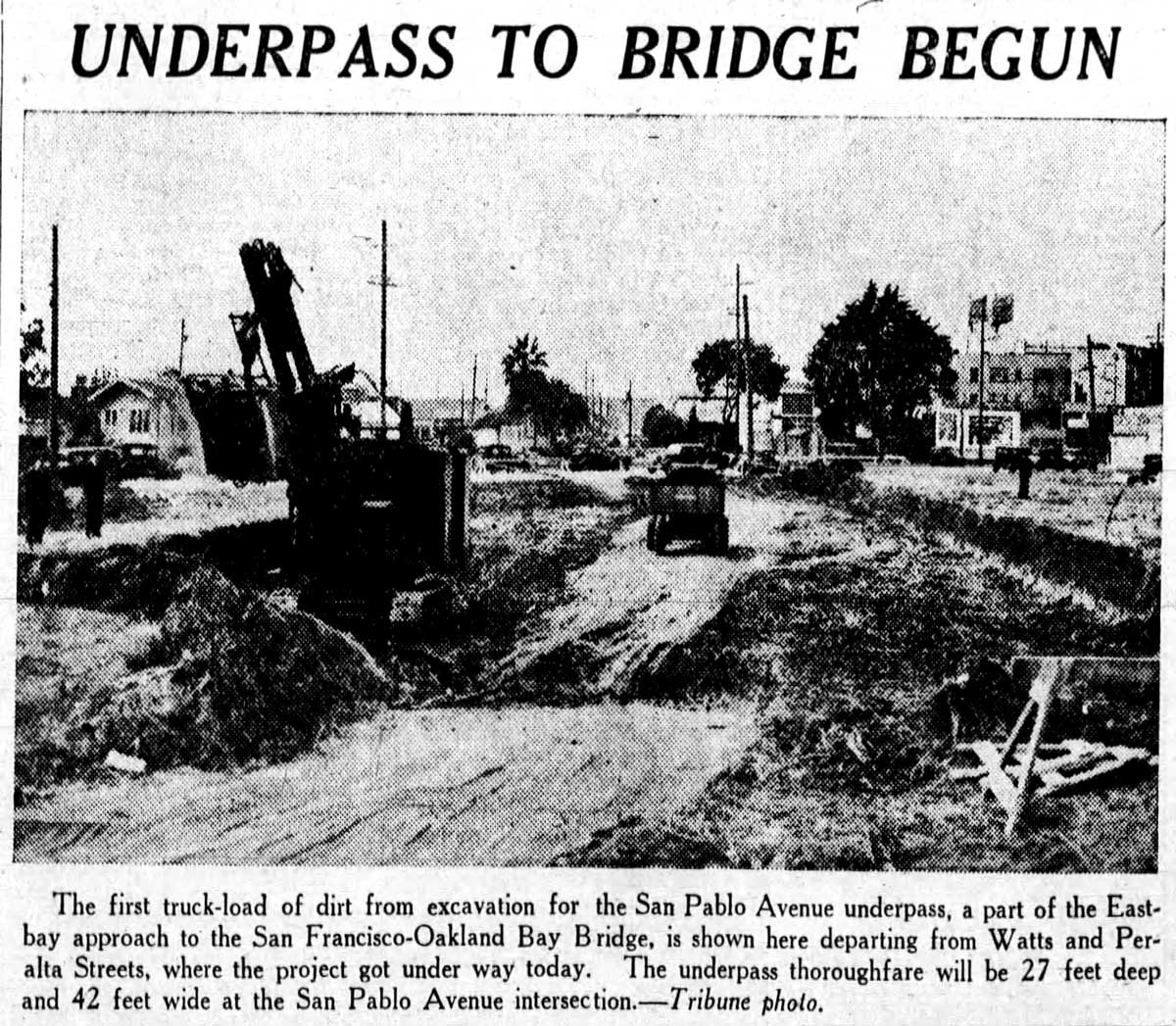
The planned subway was substantial in scale: 27 feet deep, 42 feet wide, and 1,851 feet long. It was designed to carry four lanes of traffic—two in each direction—and was projected to handle as many as 30 million vehicles annually. The estimated cost was $360,000.
Groundbreaking took place on November 10, 1935, at 38th and Market Streets, in a ceremony sponsored by Oakland’s Acorn Club. Construction began immediately, employing approximately 80 workers. To keep traffic moving during the project, work was carefully phased: Peralta Street was first closed to construct the western end of the tunnel; next, the west lanes of San Pablo Avenue were shut down for excavation, followed by the east lanes as construction progressed.
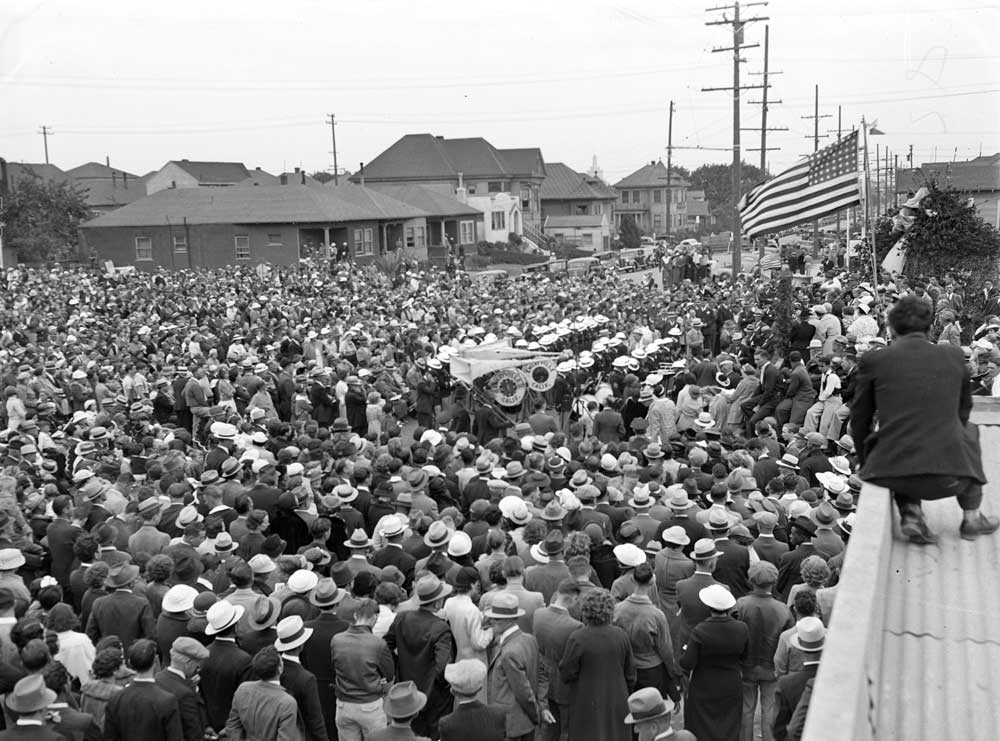
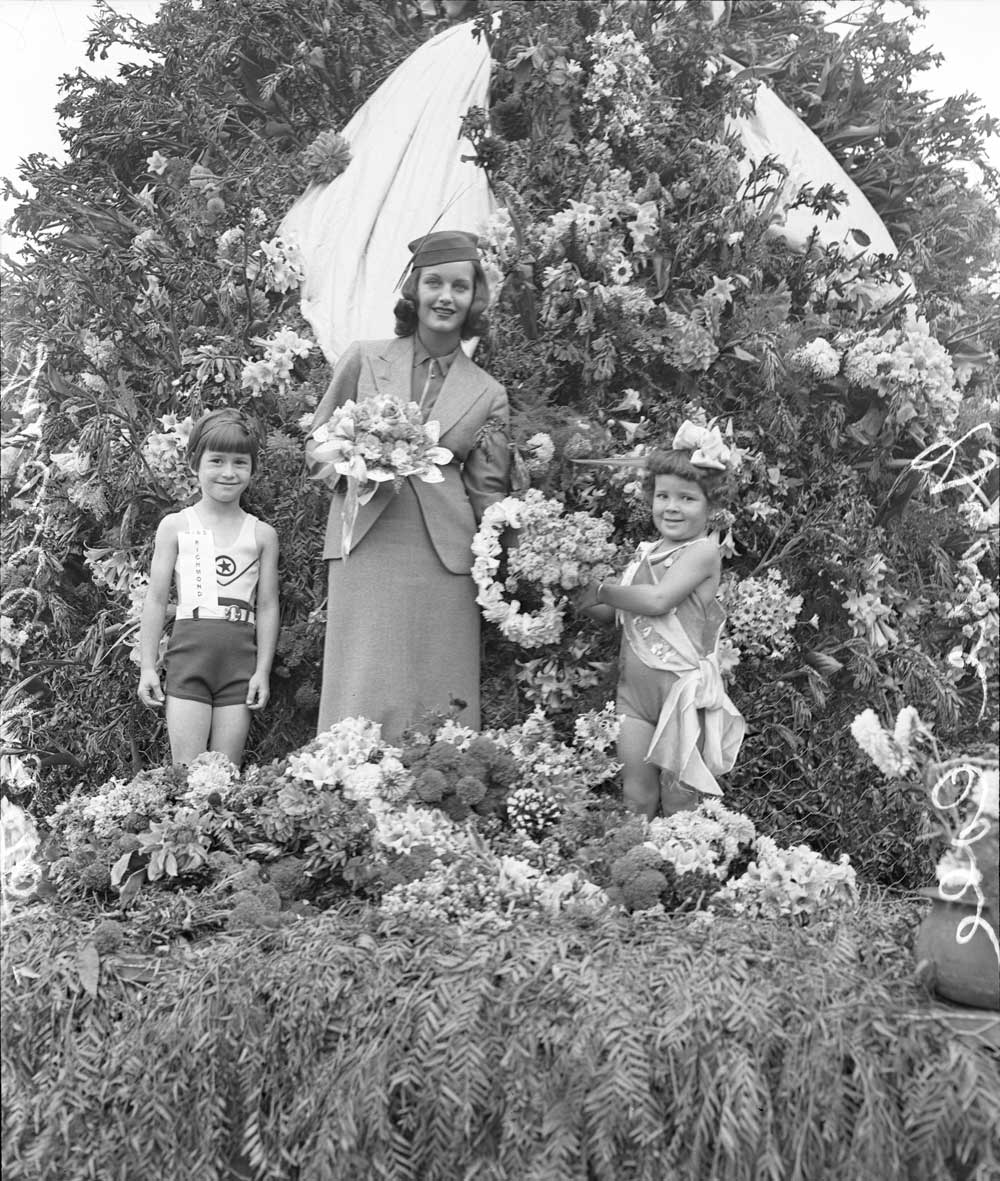
When the underpass was completed in August 1936, the city celebrated with a multi-day festival featuring parades, public speeches, and live entertainment. A carnival atmosphere prevailed, complete with a ceremonial queen—actress Mary Carlisle—chosen to preside over the festivities.
While the San Pablo subway was under construction, work also began on creating a continuous east–west roadway to feed into it. Several streets—38th Street, Excelsior Avenue, Moss Avenue, and Hopkins Street—were widened and realigned into a single corridor known as the Moss Avenue Approach, named for early Oakland resident Joseph Moravia Moss.
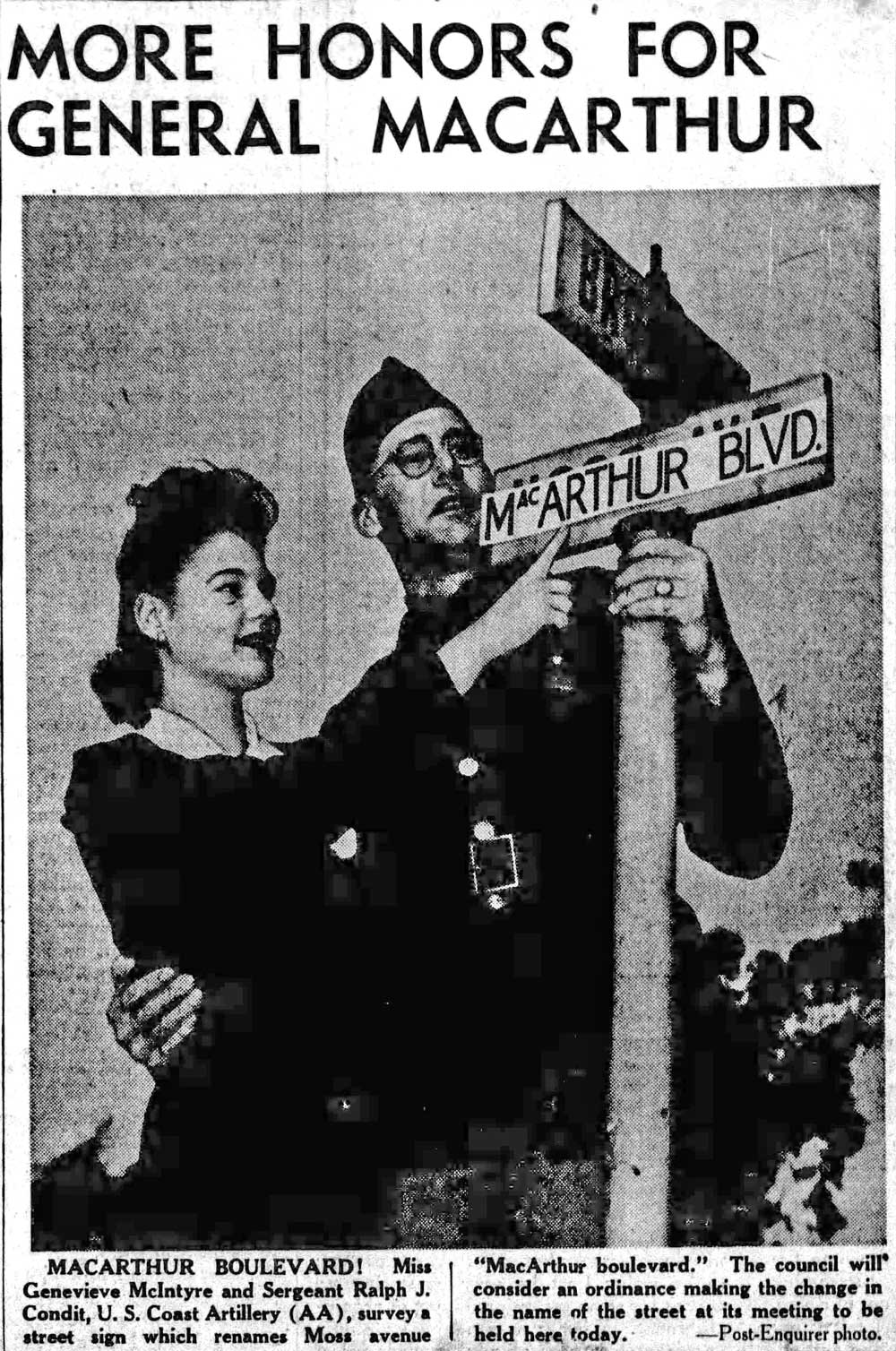
The Bay Bridge opened to the public shortly thereafter on November 12, 1936, allowing motorists to travel efficiently from the East Bay into San Francisco. In 1942, amid heightened wartime patriotism, Moss Avenue was renamed MacArthur Boulevard in honor of General Douglas MacArthur.
MacArthur Boulevard became part of U.S. Route 50, a major transcontinental highway stretching from Maryland to California. For many years, it served as a primary gateway into Oakland and San Francisco from the east—a role reflected in the number of hotels and auto-oriented businesses that once lined the corridor.
That function diminished after passage of the Federal-Aid Highway Act of 1956, signed by President Dwight D. Eisenhower, which launched the modern interstate highway system. With the construction of Interstate 580 between 1962 and 1964, long-distance and commuter traffic was diverted to the freeway, leaving the West MacArthur Underpass as a vestige of an earlier era of Bay Area transportation history.
